_edited.jpg)


The 24/7 Trainer: Why the "Lifestyle Shift" is a Secret to Real-World Success
Updated: Mar 4

"My dog listens... sometimes."
If you have uttered those words, you are certainly not alone. Most of the families I meet in North Salt Lake through Centerville and other areas of Davis County, truly love their dogs, but they are often exhausted by the "sometimes" nature of their dog’s obedience. Maybe your dog is a star in the living room but becomes a different animal the moment you step outside toward Smoot Park.
There is a common belief in the dog world that training is an event. Something you schedule for 15 minutes a day with a bag of treats before returning to "normal life."
In my experience, this is where some owners hit a plateau.
At Trails to Obedience, we believe that dog training isn't just a session; it’s a lifestyle. For your family pet at home, most people I know treat pets as close family. You can't just spend 15 minutes of quality time with a loved one and believe you have met their needs, can you? It's no different with your dog.
Your dog is learning from you 24 hours a day, 7 days a week. They are the masters at observing and taking opportunities. They are constantly gathering data on what works and what doesn't. The real question we invite you to ask is: What is my dog learning from me when I’m not "training" them?
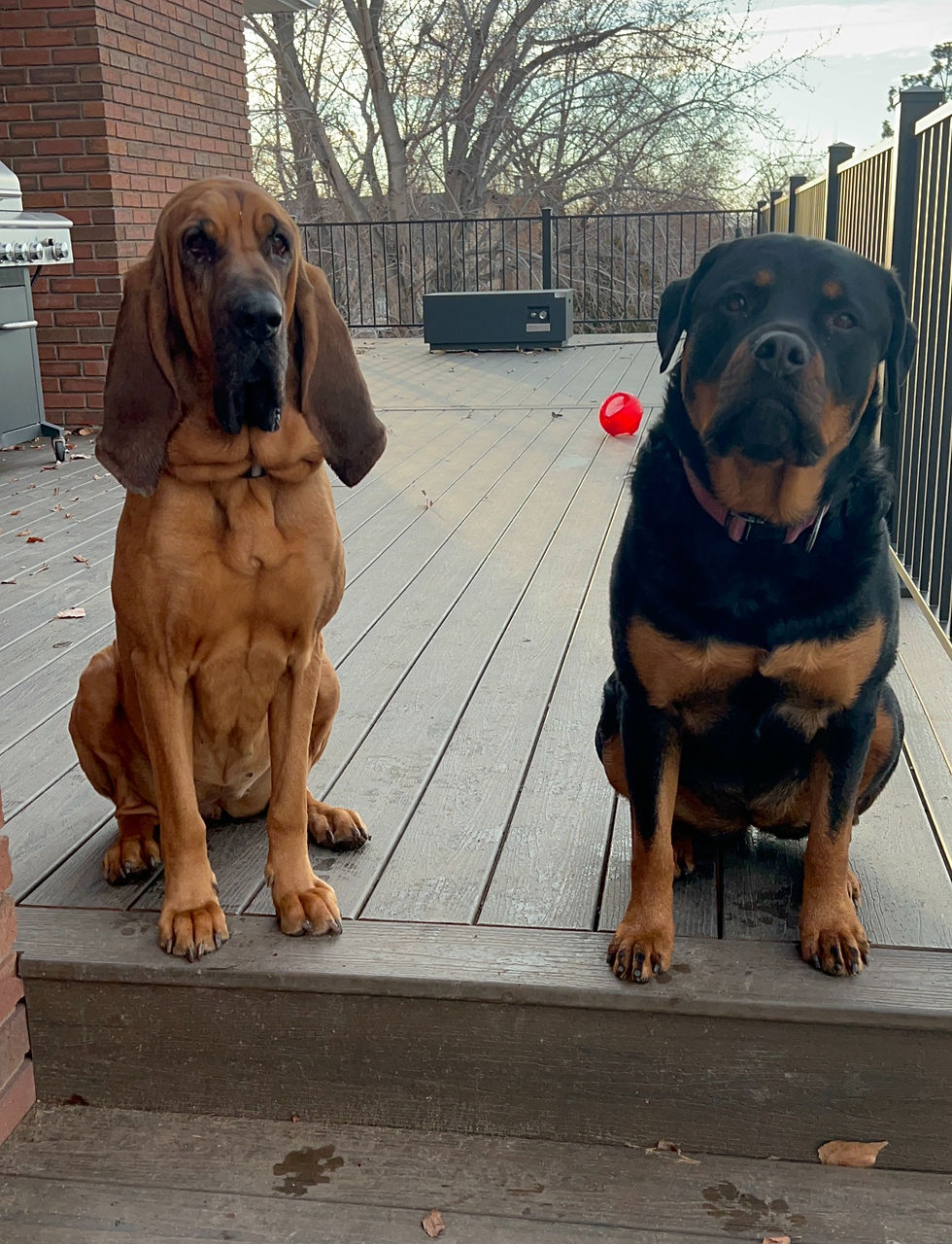
My Rottweiler Revelation: Beyond Naming Behaviors
I didn’t always see it this way. When I first brought Freya, my Rottweiler home, I tried to follow a schedule for training. My human family was diligent with the 15-minute sessions, often times multiple times a day. We worked on precision, and she was brilliant at it. She still knows exactly how to earn a treat when that treat pouch comes out.
However, I noticed a frustrating pattern. The moment the treat bag was put away and the "session" ended, the behaviors I struggled with—the jumping, the demanding, the frantic energy—all came rushing back.
I realized I was just naming behaviors. I was teaching her how to perform for a paycheck, but I wasn't addressing her state of mind or our daily "operating system." Once the "work" was over, she reverted to the lifestyle she thought was acceptable. To find the harmony I was looking for, I had to stop being just an "owner" and start becoming a Behavior Strategist. I am her guide on how to live in a world with human expectations and rules. I had to change the way we lived together, not just the way we practiced.
What Science Tells Us About the "Lifestyle" Approach
Research into the The Secure Base Effect reveals that a dog’s ability to solve problems and maintain focus is directly tied to the presence of a consistent, regulated owner. In this study, dogs were significantly more persistent and successful when their owners were present—even if the owner was completely silent—than when they were alone or with a stranger. This proves that you aren't just a "dispenser of commands"; you are the Psychological Anchor for your dog. When you provide clear, 24/7 expectations, you aren't "bossing them around"—you are maintaining the secure base that allows them to feel safe enough to be calm in a chaotic world.
Furthermore, science shows that dogs are constantly engaging in Social Eavesdropping (Marshall-Pescini et al., 2011), meaning they are always filming your operating system to see if you are a reliable guide. If you have high discipline for 15 minutes of training but allow chaotic, unregulated energy the rest of the day, the dog quickly learns that your sessions are just a performance. By integrating small asks and consistent boundaries into your daily routine—like waiting for a door to open in your Foxboro home—you utilize the way a dog’s brain naturally processes information. It’s not about the length of the formal session; it’s about the integrity of the broadcast you send 24 hours a day.
The Film Study: 24/7 Training in Action
To understand the lifestyle shift, we have to look at the hidden training moments that happen every day. In coaching, some call this Film Study. If you only focus on the big plays, you miss the fundamental footwork that makes the play possible.
The Threshold Drill: Your walk begins at your front door, not at the park. If your dog is overly excited when you reach for the leash, the walk is already off to a bad start. By waiting for a calm "Settle" before opening the door, you are teaching your dog to be calm in everyday situations, setting the stage for a more enjoyable walk.
The Kitchen Boundaries: While preparing dinner, does your dog beg or obstruct your path? This presents an excellent training opportunity. Rather than becoming frustrated, reward your dog with a treat when they opt to remain in their designated spot. Remember, you are rewarding their calm demeanor, not just their ability to stay put. This approach reinforces positive behavior and enhances reliability over time.
The Greeting Huddle: When you come home, the energy you bring into the house matters. If you greet an excited dog with loud, high-pitched excitement, you may be encouraging that jumping behavior. Instead, try to remain calm and greet your dog in a relaxed manner to promote a more peaceful welcome.
Shifting from "Owner" to "Guide"
Transitioning to a lifestyle-based approach involves a few shifts in perspective:
Dogs Do What Works: Dogs don't have a human sense of "right and wrong." They repeat behaviors that get their needs met. As a Behavior Strategist, my goal is to help you structure your life so that the wrong behaviors stop working, and calmness becomes the most rewarding path.
Calmness as the Foundation: In many instances, calmness is king. A dog in a frantic state of mind cannot always process new information. This is why our protocol focuses on the state of mind before we worry about a "Sit." Establishing calmness is the first step towards a harmonious relationship, allowing both you and your dog to engage more effectively with one another.
Dialogue as the Stepping Stones: After calmness, you need to learn how to teach what you want your dog to learn. Learning theory isn't all that different between humans and dogs. The foundations of learning are the same; what is different is how the information is received. By creating a dialogue that resonates with your dog, you pave the way for effective communication and understanding.
Expectations are the Journey: When you finally find a language that you both understand, what's next? Using that language to teach what you expect from your everyday living together. This is where the structure and discipline of your daily routine come into play. Consistency in your expectations will lead to clarity and a stronger bond between you and your dog.
Lifestyle is the Finish Line: Setting expectations and building a language after teaching a foundation of calmness inside your house or somewhere neutral for your dog is just the beginning. Taking those skills and applying them to the world outside is where we ultimately strive to help you succeed! Embrace the journey, knowing that every step you take towards integrating these skills into your lifestyle brings you closer to a fulfilling partnership with your dog.
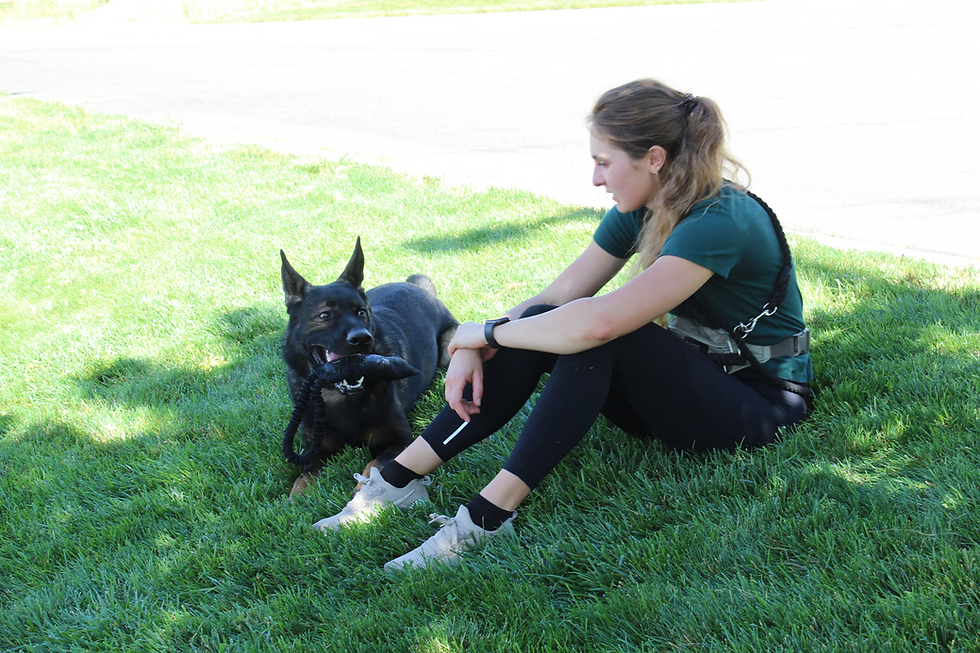
Explore the Playbook
To help you navigate your journey, Our blogs will be organized into a few different rooms:
1. Trails to Training Protocol: Here we will explore our adaptable Trails To Training Protocol, which combines structure with scientific advancements and effective practices. My experience in professional development, coaching, and dog training highlights the importance of continual growth, avoiding reliance on a single teaching method.
2. The Lab: Our protocol is based on scientific insights and expertise from world-class dog trainers, enhancing our understanding of training dogs and their owners comprehensively.
3. Field Reports: Brittany and I train weekly with Maia and Kaiser in Mantrailing. This blog will showcase the dogs' progress and highlight how our training benefits them in this discipline.
4. Coach’s Corner: In this blog category, I will share insights from my experiences in coaching lacrosse, teaching defensive tactics, and other fields to enhance professional growth. I aim to connect these concepts to dog training, highlighting the similarities in the learning processes of humans and dogs.
The Next Step on Your Trail
Every owner has the potential to be a great guide. It starts with a shift in perspective—from seeing training as a chore to seeing it as the foundation of your relationship.
Are you ready to stop training for 15 minutes and start living a more balanced life with your dog 24/7?
Stay tuned—over the next few weeks, we'll be opening up the doors to:
and more to show you exactly how to build this lifestyle with your own dog.


Comments